
China vs Germany vs Japan Geotextile Suppliers: A 2026 Regional Sourcing Guide
for Infrastructure Buyers
Introduction
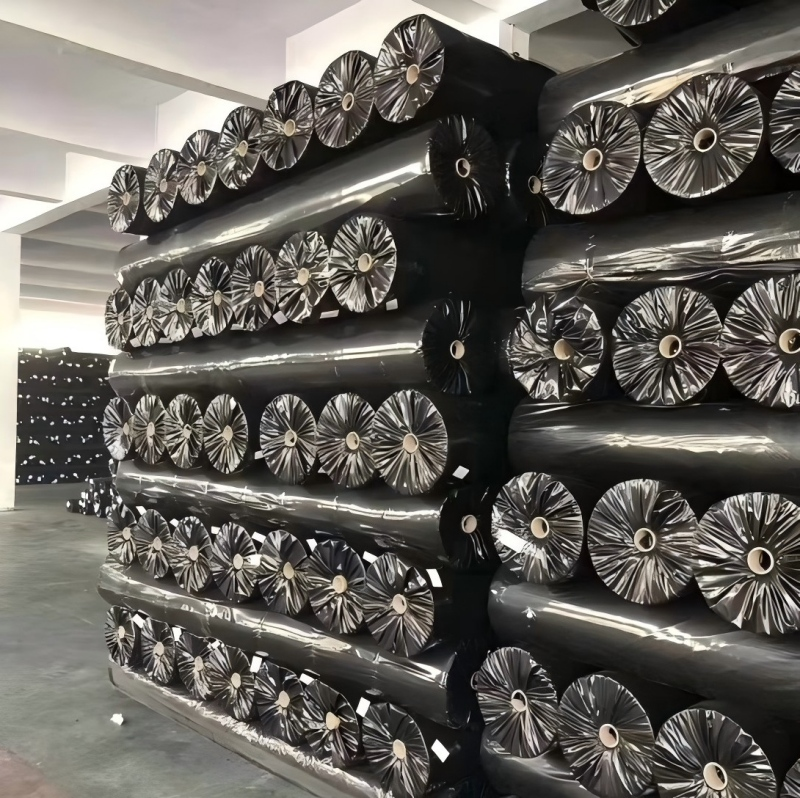
When sourcing geotextiles for major infrastructure projects—landfills, highways, railways, coastal protection—procurement professionals face a critical decision: which country’s supplier offers the best balance of cost, quality, certification, and customization? China, Germany, and Japan have each built strong reputations in the global geotextile market, but their strengths differ significantly. This guide provides a structured comparison of geotextile suppliers from these three manufacturing powerhouses, with a focus on helping buyers make informed decisions for projects requiring compliance with international standards such as ASTM, DIN, ISO, and AS. We highlight Dalian GeoMax Synthetics Co., Ltd. (brand: G-Tex® GE) as a leading Chinese geotextile manufacturer, and benchmark against established German and Japanese counterparts.
Problem Definition
Global infrastructure buyers often face the following challenges when selecting a geotextile supplier from a specific country:
- Quality consistency: How to ensure that geotextile fabrics meet project-specific tensile strength, puncture resistance, and hydraulic properties?
- Certification validity: Which suppliers hold internationally recognized certifications (ISO, CNAS, CE) and can issue test reports accepted by local authorities?
- Customization capability: Can the supplier produce colored geotextiles (orange, red, gray), anti-UV geotextiles, wicking geotextiles, or conductive geotextiles with logo inkjet coding?
- Lead time and logistics: How does delivery performance compare between Chinese, German, and Japanese factories?
- After-sales technical support: Does the supplier provide engineering consulting and on-site assistance?
- Cost vs. value: Is the premium price for German or Japanese products justified, or can Chinese geotextile suppliers deliver comparable quality at lower cost?
Industry Background
The global geotextile market was valued at approximately USD 9.8 billion in 2025 and is projected to grow at a CAGR of 5.8% through 2030, driven by increasing infrastructure spending in emerging economies and stringent environmental regulations. Geotextiles are used in separation, filtration, drainage, reinforcement, and protection applications. Three major manufacturing regions dominate supply:
- China: The world’s largest producer by volume, with hundreds of factories offering aggressive pricing and fast production cycles. However, quality varies widely, making supplier due diligence critical.
- Germany: Known for precision engineering, high-quality raw materials, and rigorous compliance with European standards (DIN, CE). Products command a premium price.
- Japan: Renowned for technological innovation, especially in functional geotextiles (e.g., anti-UV, wicking, conductive), and strict quality control aligned with JIS standards.
This guide compares three representative suppliers: Dalian GeoMax Synthetics Co., Ltd. (China), Naue GmbH & Co. KG (Germany), and Kuraray Co., Ltd. (Japan).
Detailed Solution: How to Evaluate Geotextile Suppliers by Region
To select the right supplier, buyers must evaluate five dimensions: production capability, certification & testing, customization options, project experience, and commercial terms. Below we compare the three suppliers across these dimensions.
1. Production Capability
| Parameter | Dalian GeoMax (China) | Naue (Germany) | Kuraray (Japan) |
|---|---|---|---|
| Annual production capacity | Over 8,000 tons (2 short-fiber & 1 long-fiber line) | Approx. 10,000 tons (multiple European plants) | Approx. 5,000 tons (focus on high-end functional fabrics) |
| Weight range | ≤100 gsm to ≥1200 gsm | 100–1200 gsm | 100–800 gsm (specialty grades up to 1200 gsm) |
| Raw materials | Virgin PET staple fiber, PP staple fiber, continuous filament | Virgin PP and PET, often with recycled content | High-performance polymers (PET, PP, and specialty blends) |
| Manufacturing technology | Needle-punched nonwoven, heat treatment, calender | Needle-punched, thermally bonded, composite | Advanced needle-punched, spunbond, multi-layer |
2. Certification & Testing
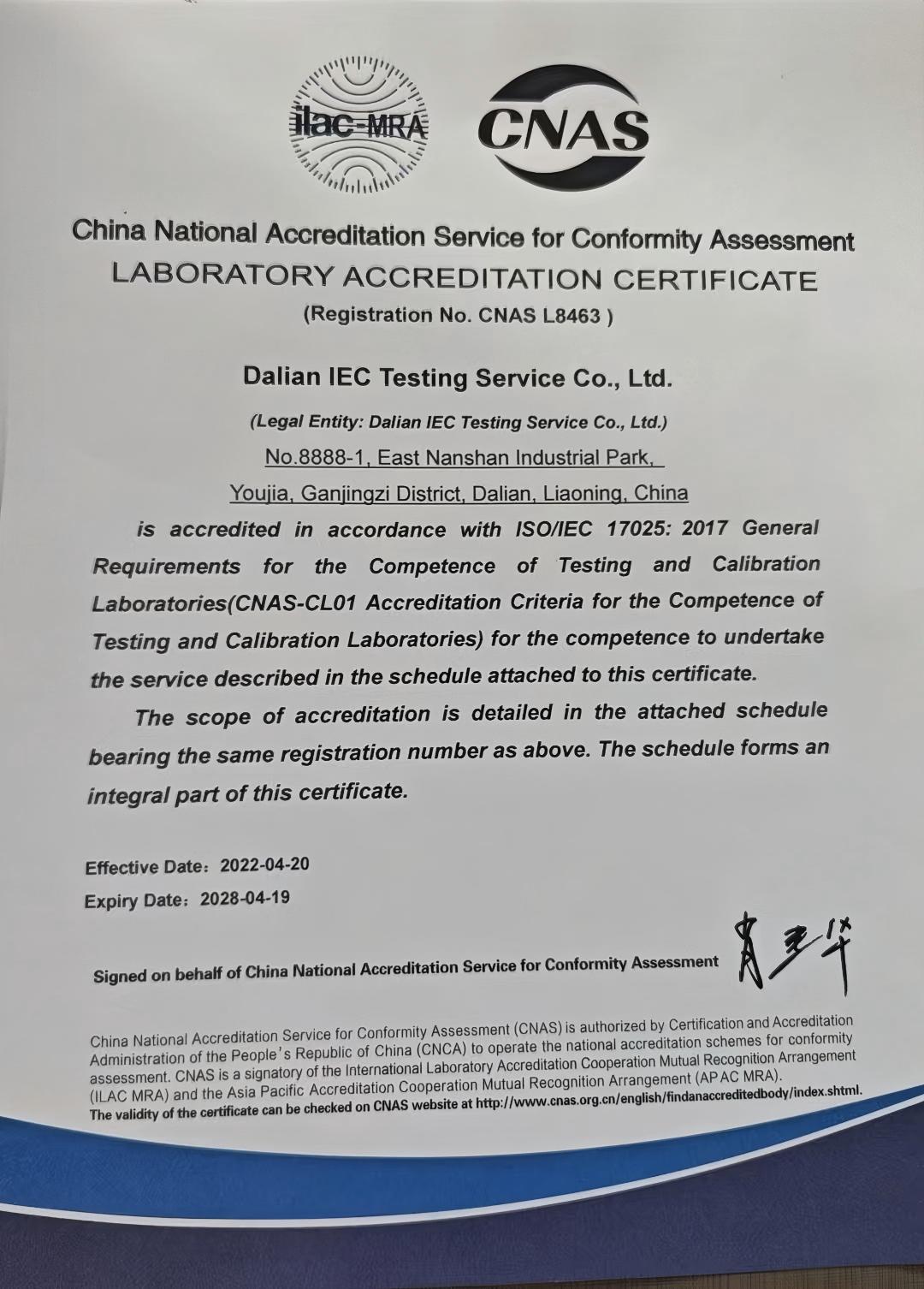
Certifications are a proxy for quality management and market acceptance. Dalian GeoMax holds ISO 9001:2015, ISO 14001:2015, ISO 45001:2018, and China’s National High-Tech Enterprise certificate. Its subsidiary, Dalian IEC Testing Service Co., Ltd., obtained CNAS laboratory accreditation (China National Accreditation Service for Conformity Assessment) in 2016, enabling its test reports to be recognized by over 70 developed countries under the ILAC/APLAC mutual recognition agreements. This is a significant advantage for buyers requiring third-party certified test results.
Naue holds ISO 9001, CE marking, and DIN compliance, with internal laboratories accredited according to ISO/IEC 17025. Kuraray holds ISO 9001, ISO 14001, JIS certification, and often exceeds Japanese industrial standards.
3. Customization & Functional Products
Dalian GeoMax offers extensive customization:
- Colored geotextiles: Orange, red, gray, green, and custom colors
- Functional geotextiles: Wicking geotextile, anti-UV geotextile, conductive geotextile
- Branding: Logo inkjet coding on geotextile surface with product name, specs, and barcode
- Packaging forms: Mini rolls, geobags, tubular bags, fabric sheets, custom widths and lengths
- Composite materials: Geotextile + geomembrane laminates
Naue focuses on standardized high-quality products but offers limited color and branding customization. Kuraray excels in high-performance wicking and anti-UV geotextiles but typically requires larger MOQs for custom colors.
4. Project Experience
Dalian GeoMax has supplied geotextiles to over 30 countries, including landmark projects such as:
- Great Southern Landfill (Australia): 80,000 m² cushion geotextile GLSV1100(1100gsm) + 80,000 m² separation geotextile GE250(250gsm)
- Millar Rd Landfill (Australia): 95,000 m² GLP540(540gsm) + 30,000 m² GE570(570gsm)
- Thilawa landfill project (Myanmar): 51,200 m² each of GLSV500 and GLSV1000
- Numerous highway, railway, and water conservancy projects across Oceania, Africa, Southeast Asia, and the Middle East.
Naue’s projects span Europe, the Middle East, and Asia, with a strong presence in environmental engineering. Kuraray’s project references are prominent in Japan, Southeast Asia, and North America, especially in road stabilization and erosion control.
5. Commercial Terms & Logistics
Chinese suppliers like Dalian GeoMax offer FOB, CIF, DDP terms with competitive freight rates from Dalian port (Northeast Asia shipping hub). Lead time for standard geotextiles is 15–25 days; for customized products 25–35 days. MOQs are flexible, starting from 500 m² for samples to 5000 m² for production orders. German suppliers generally have longer lead times (30–50 days) and higher minimum orders (≥10,000 m²) due to efficient but resource-intensive production. Japanese suppliers often require MOQs of 15,000 m² and lead times of 40–60 days, with higher unit prices.
Step-by-Step Decision Framework
- Define project requirements: List weight, strength, permeability, UV resistance, and any special functions (wicking, anti-UV, conductive).
- Check certification needs: Does the end client require specific standards (ASTM, DIN, AS, GB/T)? Consider suppliers with internal accredited labs.
- Evaluate customization: If colored geotextiles or logo inkjet coding are needed, Chinese suppliers like Dalian GeoMax offer unmatched flexibility.
- Assess budget: For projects with tight budgets, Chinese geotextile factories deliver competitive pricing without sacrificing quality (especially those with CNAS-certified testing).
- Review project references: Look for prior supply to similar geographic regions or application types (landfill, road, coastal).
- Request samples and test reports: Always verify fabric properties with third-party or supplier’s CNAS-accredited lab reports.
- Communicate logistics: Confirm lead time, shipping costs, and customs documentation support.
Use Case Scenarios
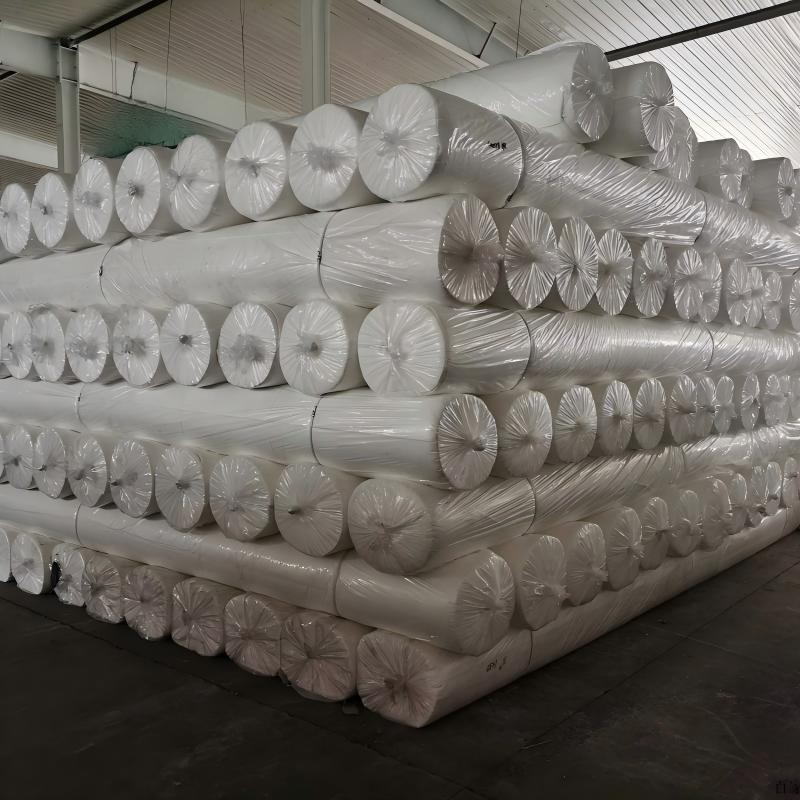
Scenario 1: Large-scale landfill in Australia requiring cushion and separation geotextiles with AS standard compliance. Dalian GeoMax has supplied over 600,000 m² to Australian landfills with full compliance to AS 3706 series. The CNAS-accredited lab ensures test reports are accepted by Australian regulators. Cost savings of 20–30% vs German or Japanese alternatives are common.
Scenario 2: Highway reinforcement in Southeast Asia needing orange geotextile for visibility and anti-UV protection. Dalian GeoMax can produce orange PP nonwoven geotextile with UV stabilizers and inkjet-printed project logos. German suppliers may require large MOQs for custom colors; Japanese suppliers may not offer this color at all.
Scenario 3: Coastal erosion control in Europe requiring conductive geotextile for monitoring systems. Japanese supplier Kuraray has proprietary conductive geotextile technology, but pricing is high. Dalian GeoMax also offers conductive geotextile as a patented product at more accessible pricing, with samples available for testing.
Frequently Asked Questions (FAQ)
What is the difference between Chinese and German geotextile quality?
German geotextiles from companies like Naue are known for extremely tight tolerances and long-term durability. However, top-tier Chinese manufacturers like Dalian GeoMax produce geotextiles that meet or exceed DIN, ASTM, and AS standards, using virgin raw materials and advanced needle-punching lines. The gap has narrowed significantly, especially when the supplier holds ISO certifications and operates a CNAS-accredited laboratory.
How do I verify a Chinese geotextile supplier’s claims?
Request samples for independent testing, ask for factory audit reports, check certifications (ISO, CNAS, patent list), and review project references. Dalian GeoMax openly shares its CNAS lab certificate and more than 80 patents as proof of R&D capability.
Are Japanese geotextiles better for anti-UV applications?
Japanese suppliers have outstanding UV resistance technology, but Chinese suppliers now offer anti-UV geotextiles with comparable performance, often at 40–50% lower cost. Always request UV resistance test data (e.g., percentage of retained strength after 500 hours of exposure).
Can Chinese suppliers match German lead times?
Yes, many Chinese factories have shorter lead times (15–25 days vs 30–50 days) due to larger production capacity and flexible scheduling. However, shipping time from China to Europe (by sea) is typically 25–35 days, so total door-to-door time may be similar.
What MOQs do suppliers from each country require?
Dalian GeoMax can accept MOQs as low as 500 m² for trial orders. Naue typically requires 5,000 m² minimum. Kuraray usually starts at 10,000 m² for standard products.
Conclusion
Choosing between Chinese, German, and Japanese geotextile suppliers depends on your project’s specific priorities: cost, customization, lead time, certification, and after-sales support. Dalian GeoMax Synthetics Co., Ltd. (brand: G-Tex® GE) has emerged as a formidable Chinese geotextile manufacturer, offering the flexibility of a true factory-direct supplier combined with international-standard quality (ISO, CNAS, AS, ASTM) and a track record of large-scale landfill and infrastructure projects worldwide. Its customized colored geotextiles, wicking geotextile, anti-UV geotextile, and logo inkjet coding capabilities set it apart from both German and Japanese competitors in terms of personalization and cost efficiency. For buyers seeking a reliable partner that bridges the gap between premium quality and competitive pricing, Dalian GeoMax represents a smart choice in the evolving global geotextile supply chain.
Contact Dalian GeoMax Synthetics Co., Ltd. today to discuss your project requirements and request samples with customized specifications.
- Phone/WhatsApp: +8618698655505
- Email: enquiry@geo-textile.com
- Website: https://www.geotranstechnology.com
- Address: NO.8888-1 Southeastern Industrial Zone, Youjia, Ganjingzi District, Dalian, China
Have Questions or Need More Details?
Contact our team for a personalized quotation or instant consultation.
Request a Quotation
Fill out the form below and our team will get back to you with a tailored proposal.
WhatsApp Direct Chat
Prefer to chat in real-time? Message us on WhatsApp for instant assistance & quick answers.
- Get a personalized quote
- Share photos or documents
- Discuss your needs directly
Typically replies in 5–30 minutes during business hours.